How to Choose the Right Industrial Roller Shutter Door
Selecting the correct roller shutter door specification matters far more than most buyers realise. The wrong choice leads to slow operation, premature failure, inadequate security, or a door that simply cannot do the job asked of it. Work through the questions below before specifying, or contact our team and we will guide you through each one.
1. Manual or Electric Operation?
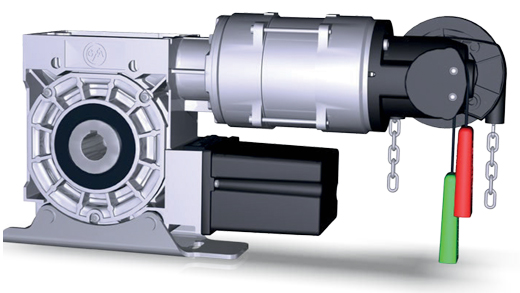
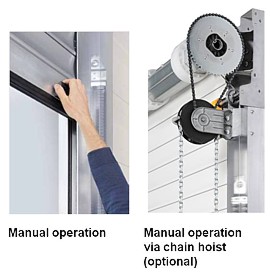
Manual roller doors are spring-balanced and suitable for smaller openings or low-frequency use, typically where the door is operated only a few times per day. For anything beyond light-duty use, electric operation is the practical choice. Modern single-phase electric motors are compact, affordable, and straightforward to install, which is why manual doors now account for fewer than 5% of roller shutter sales in the UK.
Choose manual if: the opening is small, usage is infrequent, or no power supply is available at the aperture.
Choose electric if: the door is used multiple times daily, the opening is large, or operational speed matters.
2. Single Phase or Three Phase Electric?
For most commercial and light industrial doors, a single-phase (240V) motor is sufficient. However, three-phase (415V) operation is necessary when:
- The door exceeds a certain size or weight threshold where single phase motors lack the torque
- The door operates at high frequency, dozens of cycles per day or around the clock use
- A high-speed motor drive is specified, as these almost always require three-phase power
If only single-phase power is available on site, this will narrow your options. Flag this early so the correct motor and control system can be specified from the outset.
3. What Are the Door Dimensions?
Width and height determine almost everything else: motor type, whether single or three phase power is needed, the size of the barrel and endplates, and how much headroom is consumed when the door is open. Measure the clear opening width and height carefully. Also note:
- Fixing position: face fitted internally, between reveal, or externally fitted, each affects overall size and structural requirements
- Available headroom: the barrel and hood must fit within the space above the opening; on low headroom sites this can dictate which models are viable
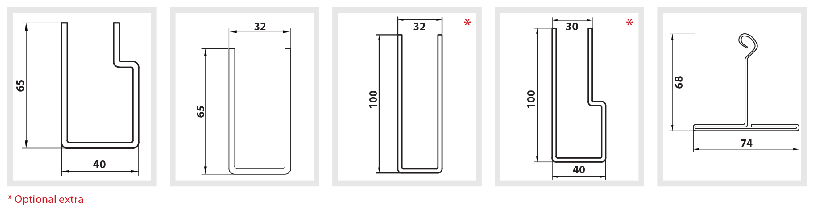
- Guide depth: guides require a minimum surface space for positioning either side of the opening
For extra large openings, up to 18 metres wide and 8 metres high — specialist models are available. Contact us with dimensions for a direct recommendation.
4. How Many Operations Per Day?
Cycle frequency is one of the most overlooked factors in roller shutter specification. A door opened once a day has very different requirements to one cycling every few minutes across a production shift or 24 hour logistics operation.
Undersizing the motor for the duty cycle results in slow opening speeds, overheating, premature motor failure, and excessive maintenance costs. Give us an honest estimate of daily cycles, even a rough figure, and we will match the motor duty rating accordingly.
- Low use (1–10 cycles/day): standard rated motors are adequate (even tube motors)
- Medium use (10–50 cycles/day): uprated motors with thermal protection recommended
- High use (50+ cycles/day or 24-hour operation): high cycle industrial motors or high-speed drive systems required
5. Single Skin or Double Skin Insulated Curtain?
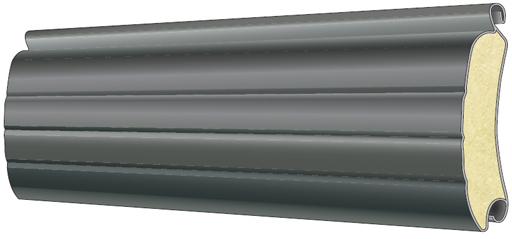
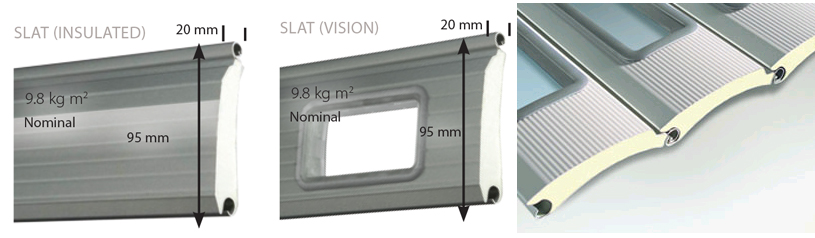
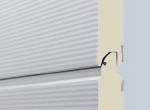
The choice between a single-skin steel curtain and a double-skin insulated curtain is not purely about thermal performanc, though that matters too. A double skin curtain is structurally stiffer and significantly stronger, which is why it is the right choice for:
- High-speed operation
- High-usage or heavy-duty industrial environments
- Buildings where improved security, wind resistance, or acoustic performance is required
- Any site where improved thermal retention will reduce energy costs
Single skin steel doors remain a practical choice for non insulated buildings with low usage and modest security requirements. Security ratings — including LPS1175-certified options — are available across both curtain types.
6. Are There Site or Aperture Restrictions?
Site constraints often determine which motor configuration is feasible before any other consideration. Key factors to check:
- Side room: motor positioning is either inboard (motor sits within the barrel width, requiring less side clearance) or outboard (motor projects beyond the endplate, requiring more side room but offering direct-drive benefits for larger or high-speed doors). Measure the available side room on both the drive side and non-drive side.
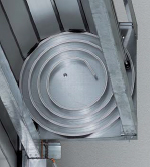
- Headroom: the barrel diameter increases with door size. On sites where maximising clear drive-through height is critical, the barrel and hood depth must be calculated precisely. In some cases this influences which curtain type or door model is viable.
- Structural fixing surface: confirm whether the surrounding structure is masonry, steel frame, or timber, as this affects guide and lintel plate fixing options.
Photographs of the opening and its surrounding, with approximate dimensions annotate, allow us to identify restrictions before any site visit is needed.
7. How Will the Door Be Controlled?
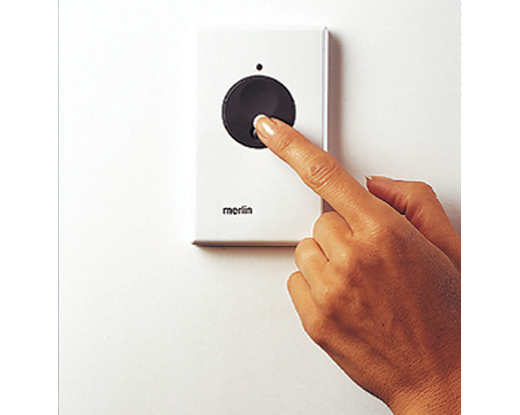
Control requirements range from a simple wall-mounted push button to fully integrated access control systems. The main options are:
- Hold to run: the door operator holds the button for the full duration of travel. The simplest and most cost effective system; no safety edges or devices are required. Best suited to lower usage doors where speed is not critical.
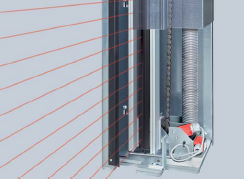
- Impulse control: a single button press initiates the full open or close cycle, freeing the operator to move away. Safety devices (safety edges, photo-cells) are required for compliance. Recommended for any frequently used door.
- Remote handsets: radio frequency remote controls for vehicle or pedestrian access without a fixed panel. Can be combined with impulse control.
- Keypad, card reader, or fob access: for controlled entry, audit trails, or multi-user access management.
- Induction loop or radar activation: hands free opening triggered by approaching vehicles, ideal for loading bays and high frequency logistics environments.
Consider who will be operating the door, how often, and whether any access restriction or logging is required. We will advise on the appropriate safety devices for each control type.
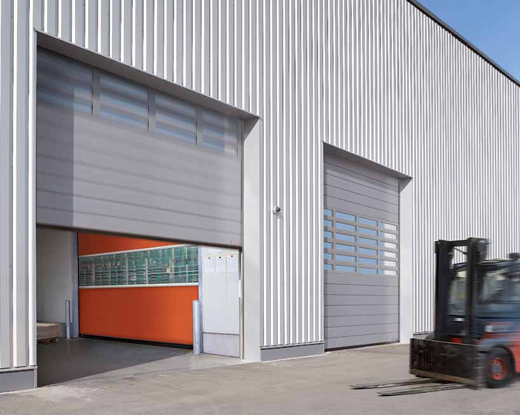
8. Is High Speed Operation Required?
Many older industrial buildings operate roller doors with overgeared motors that take 60 seconds or more to open a standard 5 metre door. This is both a productivity problem and an energy problem, doors left open to avoid the wait allow heat, cold, dust, and noise to migrate freely let alone frsutrate the users
High speed operation dramatically changes the operational case:
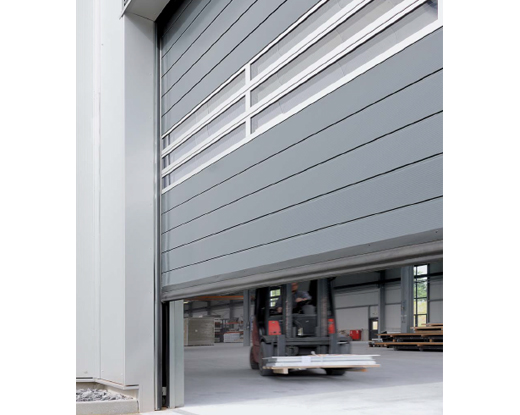
- Opening speeds from 0.3 m/s (standard) up to 2.0 m/s (high speed spiral models)
- A well-specified door on a 5-metre opening can open in 15–20 seconds rather than 60+
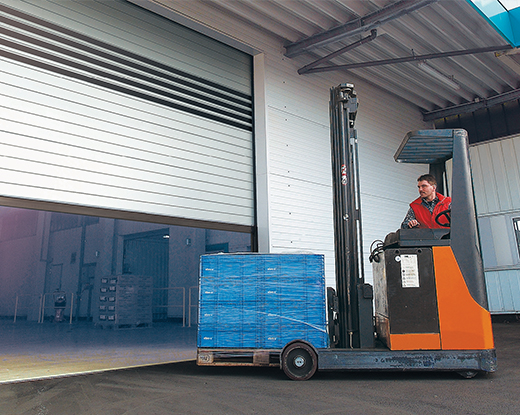
- High speed doors are particularly effective for cold stores, food production, logistics, and any high-frequency environment where heat retention matters
High speed drives require three phase power and double skin insulated curtains. View our high-speed roller door range for models and specifications.
9. What Level of Security Is Required?
Security performance on a roller shutter door varies enormously between the most basic and highest rated models. An unrated, unmotorised single skin door with no bottom bar locking offers virtually no resistance to forced entry, the curtain can be lifted manually with minimal effort.
Security can be enhanced at several levels:
- Standard locking: bottom rail locks and guide locks provide basic deterrence
- Motor torque locking: the drive motor itself holds the curtain under tension when closed, significantly increasing resistance
- Certified security ratings: LPS1175 SR1 and SR2 rated doors are independently tested for resistance against attack. SR1 is appropriate for most commercial and industrial applications; SR2 for higher-risk sites
- Higher security ratings: SR3 and above are available for specialist applications, contact us to discuss requirements
For any external door on a commercial or industrial building, we recommend specifying at minimum a motor-locked electric door. View our security-rated roller door range.
10. What Colour and Finish Is Required?
Finish choice affects both appearance and cost. The main options are:
- Plastisol-coated steel: a durable factory applied coating available in a defined range of standard colours. Cost effective and resistant to chipping.
- Powder coat: available in any RAL or BS colour reference, applied after manufacture. A wider colour choice but adds cost and, on some models, extended lead times.
- Galvanised finish: standard on many industrial models where colour is not a requirement. Highly durable and corrosion-resistant.
If a specific brand colour or precise RAL match is required, confirm this at the enquiry stage. Some door models have limited finish options, and a very specific colour requirement may rule out certain products.
11. What Is the Budget?
Roller shutter doors vary widely in price and that variation reflects real differences in quality, specification, and long-term performance. A low cost, underspecified door on a demanding industrial site is a false economy: with many moving components under repeated stress, poor quality materials and motors fail early, incur disproportionate repair costs, and often need replacing entirely within a few years.
Samson supplies properly built, certified, and compliant roller shutter doors at competitive prices across the full specification range, from cost effective standard steel models to high security, high speed industrial doors. We will always recommend the most appropriate product for your actual requirements, not the most expensive option available.
If budget is a constraint, tell us. We can often find a specification that meets the core requirements within a tighter range without compromising safety or reliability.
Ready to Specify?
Once you have worked through the questions above, the fastest way to get accurate pricing is to send us:
- A photograph of the opening and its surroundings (existing door or bare aperture)
- Approximate width and height dimensions
- The fixing position (face-fixed, between-reveal, or built-in)
- For new builds: architect or structural drawings if available
With this information we can discuss the right specification and provide indicative pricing, for supply and delivery, or supply and installation including site survey. Call us on 01933 448 850 or send your details online.





.jpg)


.png)